
HERE WE EXPLAIN ABOUT WHAT SECTION 2 OF THE PARTY WALL ACT. IF YOU ARE NOT SURE, PLEASE CONTACT US FOR MORE INFORMATION.
Section 2 of the Party Wall etc. Act 1996 sets out the types of work a homeowner can legally carry out on a shared or adjoining wall, such as cutting into, raising, rebuilding, or repairing it.
However, it requires that the adjoining neighbour have formal notice before any work begins.
Section 2 of the Party Wall etc. Act 1996 explains the kind of work that a building owner can do by law. Building work that is on a party wall, a boundary wall, or a joining structure.
Works include cutting into a wall to install beams. It also covers raising or rebuilding a party wall, or doing work to fix important parts of a wall that may change a shared wall.
But, before you start any of this work, the Act says you must officially tell your neighbour. You usually need to give them one or two months’ notice, depending on what the work is. If your neighbour says yes, the project can go ahead.
If this does not happen, a Party Wall Surveyor needs to be appointed to resolve the issue and issue a legally binding Party Wall Award.
Section 2 helps to keep both you and your neighbour safe. It makes sure everyone knows about the work. This also helps ensure the work is done safely and legally.
If you aren’t sure if your project is under Section 2, Jason Edworthy – Your Local Party Wall Surveyors – can look at your plans and help you with the steps you need to take.
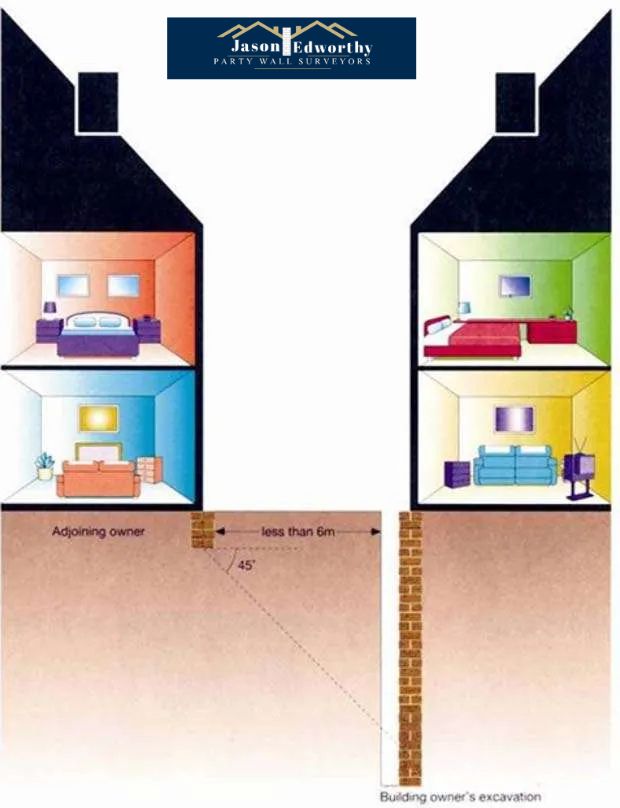
Section 2 of the Party Wall etc. The 1996 Act says you must tell your neighbour before you start any building or repair work. The law lists many jobs that require you to give notice before work begins. This helps keep things clear for both you and your neighbour.
These works typically affect a shared or adjoining structure and are most common in home extensions, loft conversions, and basement renovations.
Here are the most common types of works covered:
Cutting into a party wall – e.g. to insert steel beams, joists, or support for a loft conversion.
All of these works require proper notice under Section 2 to be served before they begin. If the adjoining owner consents, work can proceed. If not, a Party Wall Surveyor—like Jason Edworthy – Your Local Party Wall Surveyors—can help resolve the matter through a Party Wall Award, ensuring your project stays legally compliant and neighbour-friendly.
If construction work involves a shared wall or boundary, understand your obligations under Section 2 of the Party Wall Act.
This checklist highlights the key points to help you prepare and avoid problems:
prepare and avoid problems:
1. Determine if Section 2 Applies.
If your building works plan to cut into, raise, rebuild, or underpin a party wall. Section 2 rules apply. Knowing this early on helps you comply with the law.
2. Serve Notice to Neighbours.
You have to notify adjoining owners at least two months before starting building work. This formal notice allows them to understand the project and respond.
3. Provide Clear Plans and Details.
Sharing accurate drawings and explanations reduces confusion and helps neighbours feel informed.
4. Agree on Party Wall Surveyors.
If neighbours agree, work can proceed smoothly. If not, appointing one or more surveyors will ensure a fair agreement through a Party Wall Award.
5. Plan for Timing and Delays.
Serving notices and resolving disputes can take time, so build this into your project schedule to avoid unexpected hold-ups.
6. Keep All Documentation.
Keep records of notices served, responses, and agreements to protect yourself if disputes arise.
7. Use Experienced Local Surveyors.
Working with trusted experts like Jason Edworthy, your local party wall surveyors provider, ensures the process is handled correctly, helping to keep your project stress-free.
When it comes to Section 2 of the Party Wall Act, several misunderstandings often confuse:
“I Don’t Need a Notice If It’s Just Minor Work”
Many believe small changes don’t require a party wall notice, but any work affecting a shared wall, no matter how minor, usually needs notification.
“Neighbours Can Stop My Work”
While neighbours can raise concerns, they cannot outright block lawful work if the correct procedures under Section 2 are followed.
“I Can Start Work Immediately After Serving Notice”
You must wait at least two months after serving the notice before beginning work to allow neighbours time to respond.
“The Party Wall Surveyor Works Only for Me”
Surveyors appointed under the Act are impartial and act fairly for both parties, ensuring a balanced outcome.
“I Don’t Need a Party Wall Agreement for Boundary Fences or Gardens”
Section 2 specifically covers shared walls and structures, so garden fences usually fall outside its scope.
Understanding these facts helps avoid delays, disputes, and legal issues during your building project.