
Are you or your neighbour looking to do building work around Stanford-le-Hope retaining walls?
People need a party wall surveyor to resolve retaining wall disputes and determine ownership, responsibility, and legal obligations.
We help to prevent or resolve conflicts by ensuring proper notices and agreements are in place. The survey informs both parties and keeps the project legally compliant and on track.
When you think about retaining walls and boundary walls near where a property ends, landowners and neighbours both have some legal obligations. This is even more important if that wall helps support both places or has an effect on both sides.
Under the Party Wall etc. Act 1996, if you want to build, change, or fix retaining walls that are on or close to the boundary, you may need to give a party wall notice to the neighbour who owns the next property.
Key responsibilities may include:
1. Maintenance Duties: If the wall holds up both properties, both sides might have to help with taking care of it and fixing it. A survey can depend on who owns it and the terms under which it was created.
2. Notification of Works: If someone living next to you wants to start work that touches a shared retaining wall—this can be digging, making the base stronger, or building again—they must let the other neighbour know first. They need to do this by giving proper notice in writing, as the Party Wall Act requires.
3. Access Rights: If you need to go onto the neighbour’s land to do the work, you have to talk with them and get their agreement. If there is any argument about this, then a surveyor can help both sides discuss and resolve the issue.
4. Damage Liability: The party doing the work has to make sure there is no extra harm to the neighbour’s property. If any problems occur, they will fix them. This is the law, and everyone must follow it.
Disputes over retaining walls are common, but you can avoid them with good advice. Jason Edworthy, your local party wall surveyor provider, can help you understand what needs to be done. We will give the proper notices and look out for the interests of both sides.
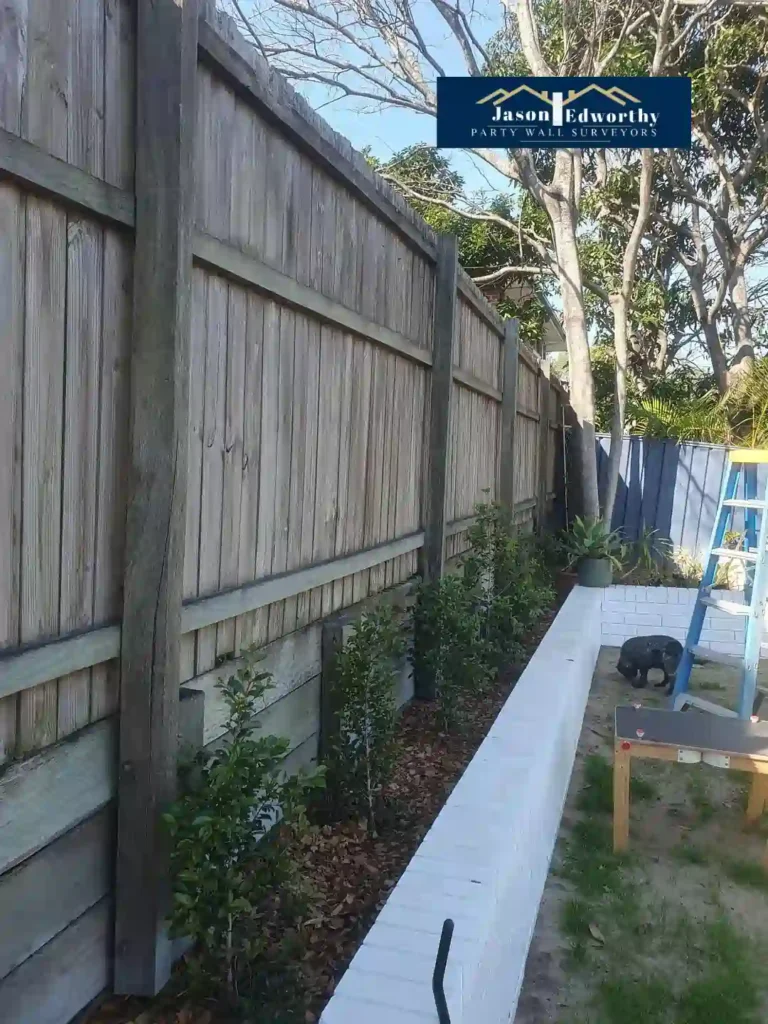
Disputes over retaining walls often arise when structural problems affect neighbouring properties or raise questions about responsibility and safety.
These issues can create legal problems if not addressed early, and are a common trigger for invoking the Party Wall etc. Act. Act 1996.
Here are some of the most common structural issues that lead to disputes:
1. Wall Movement or Leaning
Over time, retaining walls may start to lean. Or shift due to poor construction, ground movement or poor drainage. If a wall begins to encroach on a neighbour’s land, it can lead to disagreements over liability and repairs.
2. Cracks and Structural Failure
Cracks can appear due to soil pressure, freeze-thaw cycles, or inadequate footings. If the cracks affect the stability of a neighbour’s property, disputes can arise.
3. Water Drainage Problems
Lack of proper drainage can cause damage to walls. If a wall redirects water toward a neighbour’s land or causes flooding, it can quickly become a source of legal contention.
4. Boundary Uncertainty
Disputes begin when there’s confusion over who owns the wall. If the wall sits directly on the boundary line, without clear documentation, this can escalate quickly.
5. Neglected Maintenance
If one party neglects their part of the wall and it starts to fail or look unsightly, it can cause friction, mainly when the structural integrity or aesthetics affect the neighbour’s property.
6. Unauthorised Construction or Alterations
Building or modifying a retaining wall without serving a party wall notice or obtaining the neighbour’s agreement can lead to legal disputes, especially if the work impacts the adjoining property.
As your local party wall surveyors provider, we can assess the situation, help determine responsibility, serve the proper notices, and mediate disputes—ensuring everything is handled professionally and within the law.
Liability in a retaining wall dispute depends on several key factors. They include the location of the wall, its original purpose, and any agreements already in place.
Who is responsible can be complex, which is why professional party wall advice is often essential.
Here’s how liability is generally assessed:
1. Location of the Wall
Suppose a retaining wall is on one person’s land. That individual is usually responsible for its upkeep.
If it straddles the boundary, responsibility may be shared—unless there’s proof of original ownership or agreement otherwise.
2. Who Built the Wall
If records or past agreements show that one party constructed the wall for their own benefit (e.g., to level their land), they may be liable to maintain it.
In some cases, liability can be inherited with the property, even if the current owner didn’t build the wall.
3. The Wall’s Function
If the wall supports land at different levels, the person whose land is being retained (held back) is often liable.
If the wall benefits both properties equally, responsibility may be split.
4. Negligence or Damage
If one party damages or alters the wall without consent or proper notice, they may be fully liable for any resulting issues.
Under the Party Wall etc. Act 1996, failure to serve notice or follow proper procedure can shift liability to the party who undertook the work.
5. Legal and Surveyor Involvement
When disputes arise, a party wall surveyor (such as Jason Edworthy) investigates the facts, reviews the documentation, and may issue a Party Wall Award outlining each party’s legal responsibilities.
Need Help?
As your local party wall surveyors provider, we can help determine liability clearly and reasonably, protecting your rights and resolving disputes before they escalate.
No, you usually cannot change or fix shared retaining walls without your neighbour’s consent. This is true if the wall is on the boundary line between both of your properties.
Shared retaining walls often come under the Party Wall etc. Act 1996. This means you have a legal duty to give a formal notice before you start any work that could change how strong or steady the wall is.
If your neighbour does not agree, both of you will each need to choose someone to act for you, or you can both pick the same person. This person will then prepare a Party Wall Award that sets out how and when the work will take place.
If the retaining wall is fully on your land and it does not affect your neighbour’s property, you may be able to go ahead without their consent. But you will still need to get permission to use their land if you do.
If the wall is on the boundary and you do not know who owns it, treat it as a shared wall. You should then use the right party wall steps.
If you do something without getting consent, you can face legal trouble. You may also have to pay money or fix what you did. To be clear and safe, you should ask someone trained in this kind of work for help.
As your local party wall surveyors, we can help you go through the process the right way. We make sure everything goes well for you and your neighbour. We aim to make this time as easy as possible for both of you.